There is no doubt that the upholding of the Oil Tanker Moratorium Act, which has kept crude oil supertankers off BC's North Coast, is a victory. It was put in place to protect the fishing grounds, clean water, and coastal communities that people here depend on. And this will continue.
But now the South Coast is at risk.
The new plan is to build a terminal at Roberts Bank near the Tsawwassen ferry terminal. This terminal will receive a million barrels of diluted bitumen (dilbit) per day and load 15 very large crude carriers (VLCCs) per month, each carrying around two million barrels. That's 30 million barrels of toxic dilbit every month.

What is Under Threat
Commercial Fisheries
Salmon, halibut, herring, crab — the fish that put food on the table and pay the bills for thousands of BC families.
Coastal Communities
From Prince Rupert to Steveston, whole towns depend on the water. Fishing crews, processors, boat yards, fuel docks — it all connects.
Indigenous Rights & Title
First Nations have fished and cared for these waters since long before Confederation. They have legal rights to do so. An oil spill would wipe out food fisheries and cultural practices that can't be replaced.
Who Actually Benefits?

Alberta oil companies want to ship crude through BC waters to reach buyers in Asia. They'd make more money. BC takes the risk.

Companies like Suncor and Cenovus are pushing for this. They're not BC companies. Their head offices aren't here. Their shareholders aren't here.

A lot of Alberta's oil industry is actually owned by foreign investors — in the United States, China, and elsewhere. They collect the profits. We live with the consequences.
If Something Goes Wrong, We Pay
The law limits how much oil companies have to pay after a spill. The rest of the bill falls on taxpayers and the communities whose fisheries are devastated.
Deckhands in Gibsons. Skippers working the inlets. Clam diggers on the Island. Their whole season depends on clean water. One bad spill and that season (and most likely many more) is gone — and there's no guarantee they'll ever be made whole.
Under Canada's Marine Liability Act, a shipowner's legal liability is capped at around $162 million. A major spill on our coast could cost $2.4 to $9.4 billion to clean up.



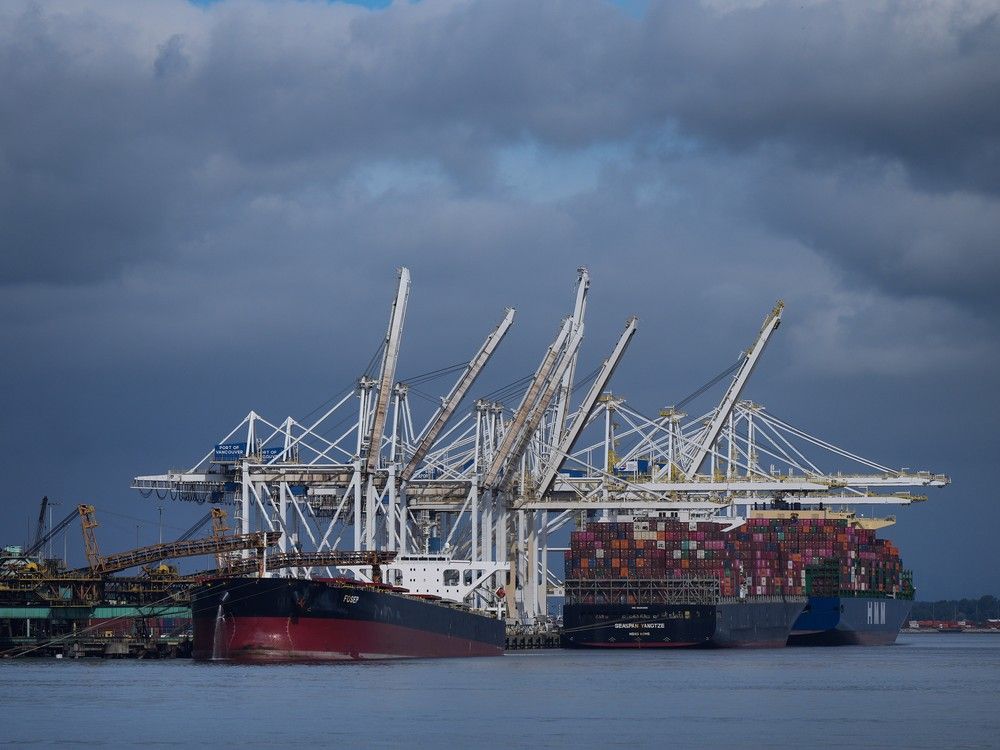



Super Tankers Threaten Your Livelihood